
TL;DR
- Transitioned to mostly plant-based, gluten-free diet after a severe B12 deficiency diagnosis in 2014
- Gave up alcohol completely in 2014 — credits this as the single biggest performance unlock
- Confirmed creatine user — the most evidence-backed sports performance supplement available
- Ice baths within 30 minutes of matches for inflammation control and faster recovery
- Strict 7–8 hours sleep enforced even during tours — treats it as non-negotiable training
The Plant-Based Transition
Plant-based, gluten-free diet
After being diagnosed with severe vitamin B12 deficiency and gluten intolerance, Kohli overhauled his diet entirely around 2014. He shifted from a heavy meat-based diet to plant foods — vegetables, legumes, and whole grains — reporting dramatic improvements in energy, recovery, and mental clarity within months. This is consistent with research showing that reducing dietary inflammation can meaningfully improve VO2 max and recovery metrics.
Free
Zero alcohol since 2014
Kohli has publicly stated that quitting alcohol was the most transformative decision of his career. The science supports this strongly: alcohol suppresses testosterone synthesis, impairs muscle protein synthesis for up to 24 hours post-consumption, and disrupts REM sleep — all critical for an athlete competing 250+ days a year. Removing it entirely compounds gains across every other recovery intervention.
Free
High legume and vegetable intake
Plant-based diets high in legumes, lentils, and diverse vegetables provide nitrate-rich foods that improve mitochondrial efficiency and blood flow — effects demonstrated in endurance athlete studies. The anti-inflammatory polyphenol load of a well-structured plant diet also reduces baseline inflammatory markers (CRP, IL-6), which matters enormously for someone playing back-to-back Test matches.
Free
Vitamin B12 Methylcobalamin
The very deficiency that forced Kohli's dietary transformation. Plant-based diets contain zero B12 — even partial vegetarians are frequently deficient. Methylcobalamin is the active, neurologically available form (superior to cheap cyanocobalamin). Deficiency causes fatigue, nerve damage, and cognitive fog: exactly what Kohli reported before his diagnosis.
Plant Protein Powder (Pea / Soy Blend)
Consistent with Kohli's plant-based diet. A pea–soy blend provides a complete essential amino acid profile that rivals whey for muscle protein synthesis when consumed in adequate doses (30–40g post-workout). Critical for a plant-based athlete doing twice-daily training sessions where muscle repair demand is high.
Performance Training
Twice-daily training blocks during competitions
Kohli trains in the gym before and after match days during international series — a demanding schedule that requires elite-level recovery protocols to avoid accumulated fatigue. His training is structured around cricket-specific power: rotational strength for batting, explosive short-distance sprinting speed for running between wickets, and upper-body stability for fielding accuracy under fatigue.
Elite
Explosive HIIT intervals
High-intensity interval training mimics the explosive, asymmetric demands of cricket — short bursts of maximal effort followed by walking recovery. HIIT improves phosphocreatine system capacity (the energy pathway used for 5–10 second explosive movements), which directly translates to faster running between wickets and quicker reflexes in the field. Research consistently shows HIIT superior to steady-state cardio for sport-specific power athletes.
Free
Heavy compound lifts for core power
Batting power originates from the ground up — hip extension, core rotation, and upper-back stability. Deadlifts, squats, and loaded rotational exercises build the force-transfer chain that determines batting speed. Studies on cricket players show that lower-body maximal strength correlates directly with ball exit speed, meaning gym strength work has measurable on-field returns.
Free
Creatine Monohydrate
Kohli has confirmed creatine use in interviews — and for good reason. With over 1,000 peer-reviewed studies behind it, creatine is the most evidence-backed performance supplement in existence. 5g daily saturates muscle phosphocreatine stores, delivering 5–15% gains in maximal power output and faster recovery between explosive efforts. No other legal supplement comes close to this effect size.
Resistance Bands (Heavy Duty)
Cricket-specific rotational strength is built in planes that barbells can't reach. Resistance bands allow standing rotational resistance that mimics batting mechanics, and can be used for shoulder prehab — the most common cricket injury. Useful for both in-gym warm-up and hotel-room training on tour.
BCAA / EAA Intra-Workout
Plant-based athletes doing twice-daily training face a unique challenge: incomplete amino acid profiles from food mean muscle breakdown can outpace synthesis during long sessions. Essential amino acids (EAAs) consumed intra-workout provide the building blocks for muscle protein synthesis without waiting for a full post-workout meal — particularly important when training again later the same day.
Recovery Stack
Ice baths within 30 minutes of matches
Cold water immersion (10–15°C for 10–15 minutes) reduces creatine kinase and interleukin-6 — two key markers of exercise-induced muscle damage. Multiple RCTs in professional team sport athletes show 24–48% reductions in perceived soreness and faster return to full power output. When playing back-to-back Test days, even a 20% reduction in accumulated fatigue is worth a lot.
Equipment needed
8 hours sleep — enforced, non-negotiable
Kohli treats sleep as a training session. The evidence for this is overwhelming: sleep restriction to 6 hours reduces reaction time and decision speed more than a 0.05% blood alcohol level. For a batsman facing 140km/h deliveries, reaction time is survival. Growth hormone — which drives muscle repair — is 70% secreted during deep sleep. Kohli reportedly declines social and commercial commitments that conflict with his sleep window.
Free
Compression garments and foam rolling
Graduated compression garments reduce muscle oscillation during activity and improve venous return post-exercise — both contributing to faster lactate clearance. Foam rolling (myofascial release) has been shown in meta-analyses to reduce delayed onset muscle soreness (DOMS) by up to 40% when applied immediately post-exercise. These are low-cost, high-return recovery tools used across all elite sport.
Low cost
Cold Therapy Ice Pack / Compression Kit
For home or travel ice bath simulation — wrap packs around quads, hamstrings, and calves post-training. Not as effective as full immersion but meaningfully reduces muscle damage markers. Useful for injury-specific icing and the first 15 minutes post-match when an ice bath isn't available.
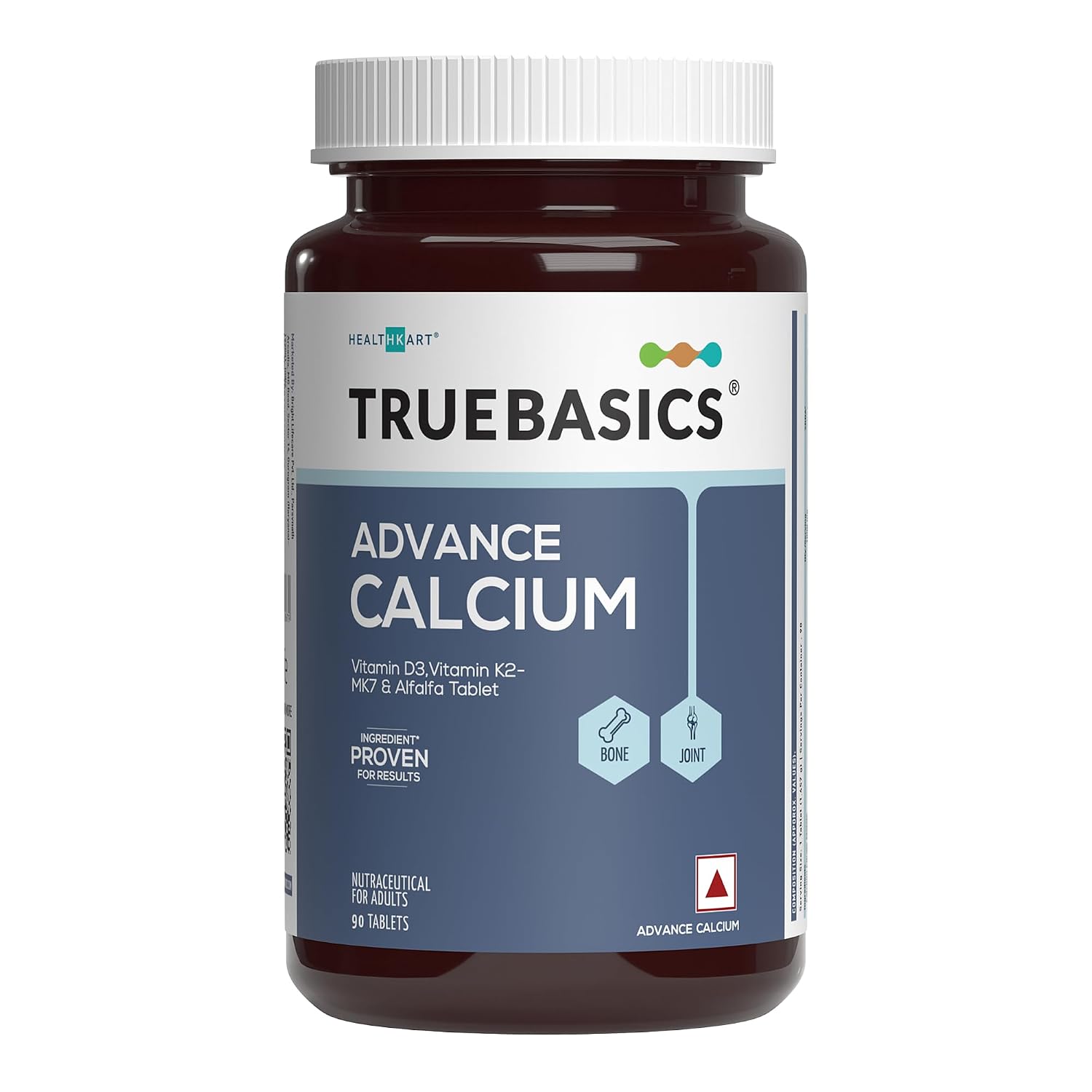
Magnesium Glycinate
Magnesium is depleted heavily through sweat — athletes lose 10–15% more magnesium than sedentary adults daily. Glycinate form crosses the blood–brain barrier efficiently, improving sleep architecture (more deep sleep, less night waking) and reducing muscle cramps. A 2017 RCT showed 300mg magnesium glycinate before bed significantly reduced insomnia severity scores in athletes with high training loads.
Omega-3 (Algae or Fish Oil)
Omega-3 (EPA + DHA) at 2–4g daily reduces exercise-induced inflammation, improves muscle protein synthesis, and has been shown to reduce DOMS by 35% in athletes doing eccentric-heavy training. Algae-derived omega-3 is the plant-based version (what the fish eat anyway), appropriate for Kohli's diet. 1,000+ studies support its safety and efficacy for performance recovery.
Nutrition Basics
Timed carbohydrate intake around training
Carbohydrate timing — consuming fast-absorbing carbs within 30 minutes post-exercise — maximises glycogen resynthesis rates, which are 50% faster in this window than at any other time. For twice-daily training sessions this matters: incomplete glycogen repletion between sessions directly reduces power output in the second session. Kohli's diet reportedly includes rice, sweet potato, and fruit around training blocks.
Free
Electrolyte management on field
Playing cricket in 35–40°C Indian summer heat generates 1.5–2.5 litres of sweat per hour. Hyponatraemia (low sodium from drinking only water) is a real performance risk in these conditions — it impairs muscle contraction and decision-making before the athlete notices thirst. Professional-grade electrolyte management involves pre-loading sodium and matching fluid intake to sweat rate rather than ad hoc drinking.
Low cost
Electrolyte Powder (Sodium / Potassium / Magnesium)
Sweat in Indian heat conditions is heavily sodium-loaded. Pure water rehydration without electrolytes dilutes blood sodium, worsening fatigue and cramping. A properly formulated electrolyte powder replaces the sodium, potassium, and magnesium lost in sweat — critical for a batsman spending 6+ hours under a 40°C sun during a Test match innings.
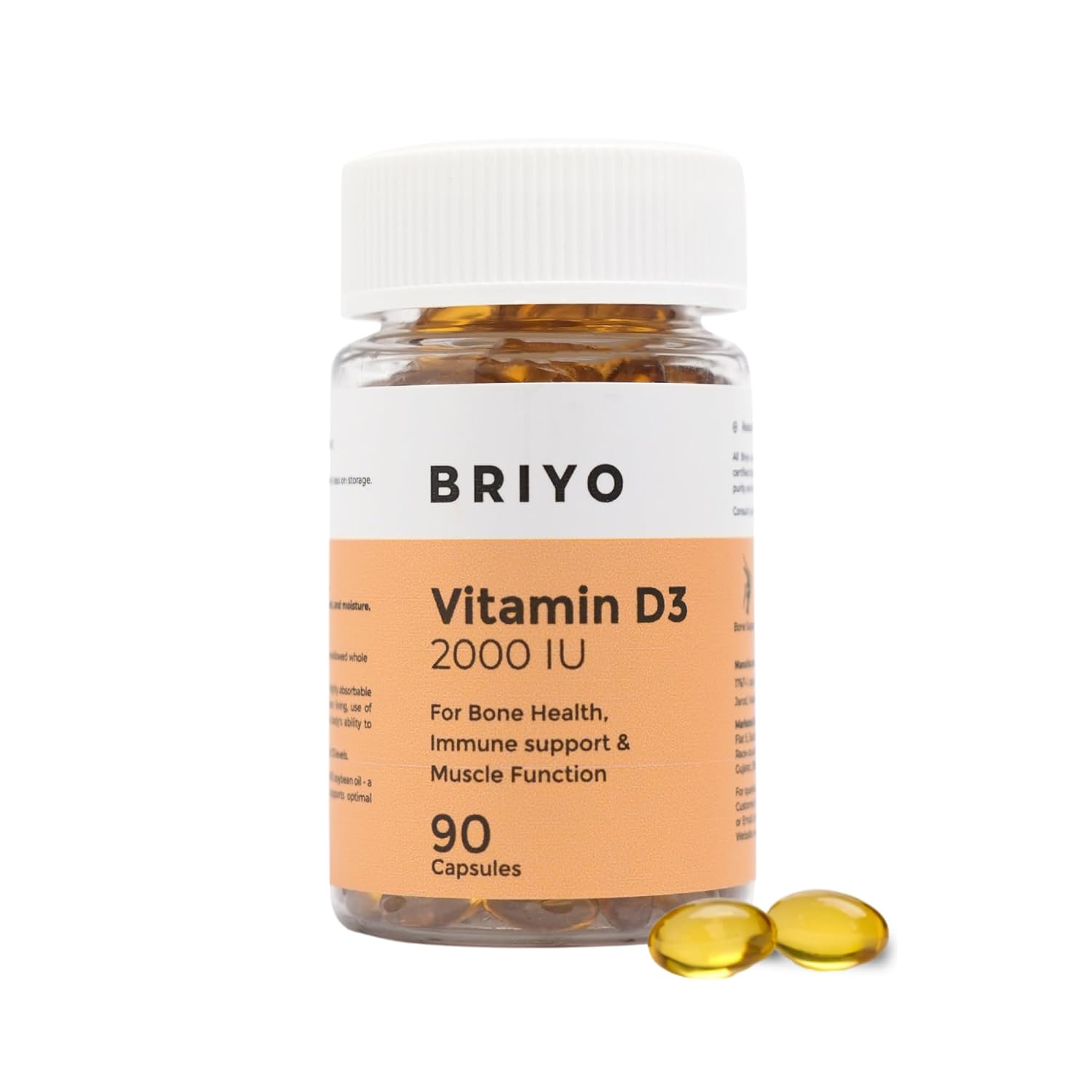
Vitamin D3 2000 IU
Despite playing outdoors in India's intense sun, studies show 60–70% of Indian athletes test vitamin D deficient — sunscreen use, clothing coverage, and the angle of UVB rays below 35°N latitude all reduce skin synthesis. Low vitamin D impairs muscle force production, immune function, and testosterone levels. D3 is essential even for those who seem to get sufficient sun exposure.