
TL;DR
- 16:8 intermittent fasting — eating window 10am to 7pm, no exceptions
- Dramatically cut white rice and refined carbs; replaced with millets and whole grains
- Daily yoga (45 minutes) plus swimming as primary cardio — 30–40 min sessions
- Lifelong teetotaler — zero alcohol, which alone explains a significant portion of the transformation
- Ayurvedic herbs alongside targeted supplementation to support hormones and mitochondria at 65
Morning Routine
45-Minute Yoga — Non-Negotiable
Mohanlal's yoga practice is the anchor of his entire routine. At the cellular level, yoga activates the parasympathetic nervous system, lowering cortisol — the hormone that drives abdominal fat storage and accelerates aging. Studies show consistent yoga practice reduces inflammatory markers (CRP, IL-6) comparable to moderate aerobic exercise, and improves insulin sensitivity independently of weight loss.
Free
16:8 Intermittent Fasting
No food before 10am, nothing after 7pm. The overnight fast forces the body into autophagy — cellular "self-cleaning" that clears damaged proteins and dysfunctional mitochondria. Research on time-restricted eating consistently shows reductions in visceral fat, improved insulin sensitivity, and lowered blood pressure independent of calorie restriction. The 7pm cutoff is particularly effective: eating close to sleep impairs melatonin secretion and disrupts fat metabolism during rest.
Free
Morning Walk Before Breaking the Fast
Walking fasted amplifies fat oxidation — with glycogen depleted overnight, the body preferentially burns stored fat as fuel. Even a 20-minute walk in a fasted state meaningfully increases fat burning compared to fed-state walking, while also priming insulin sensitivity for the rest of the day.
Free
No Screens for First 30 Minutes
Delaying screen exposure in the morning keeps cortisol from spiking prematurely. Blue light and news stimulation trigger the stress axis, which elevates cortisol — counterproductive when the goal is metabolic reset. This single habit protects the calm physiological state that morning yoga is building.
Free
Yoga Mat — Thick, Non-Slip (6mm+)
A quality mat is the difference between a sustainable practice and one that ends with knee pain. At 65, joint cushioning matters — look for 6mm+ TPE or NBR foam with textured grip that holds through sweat.
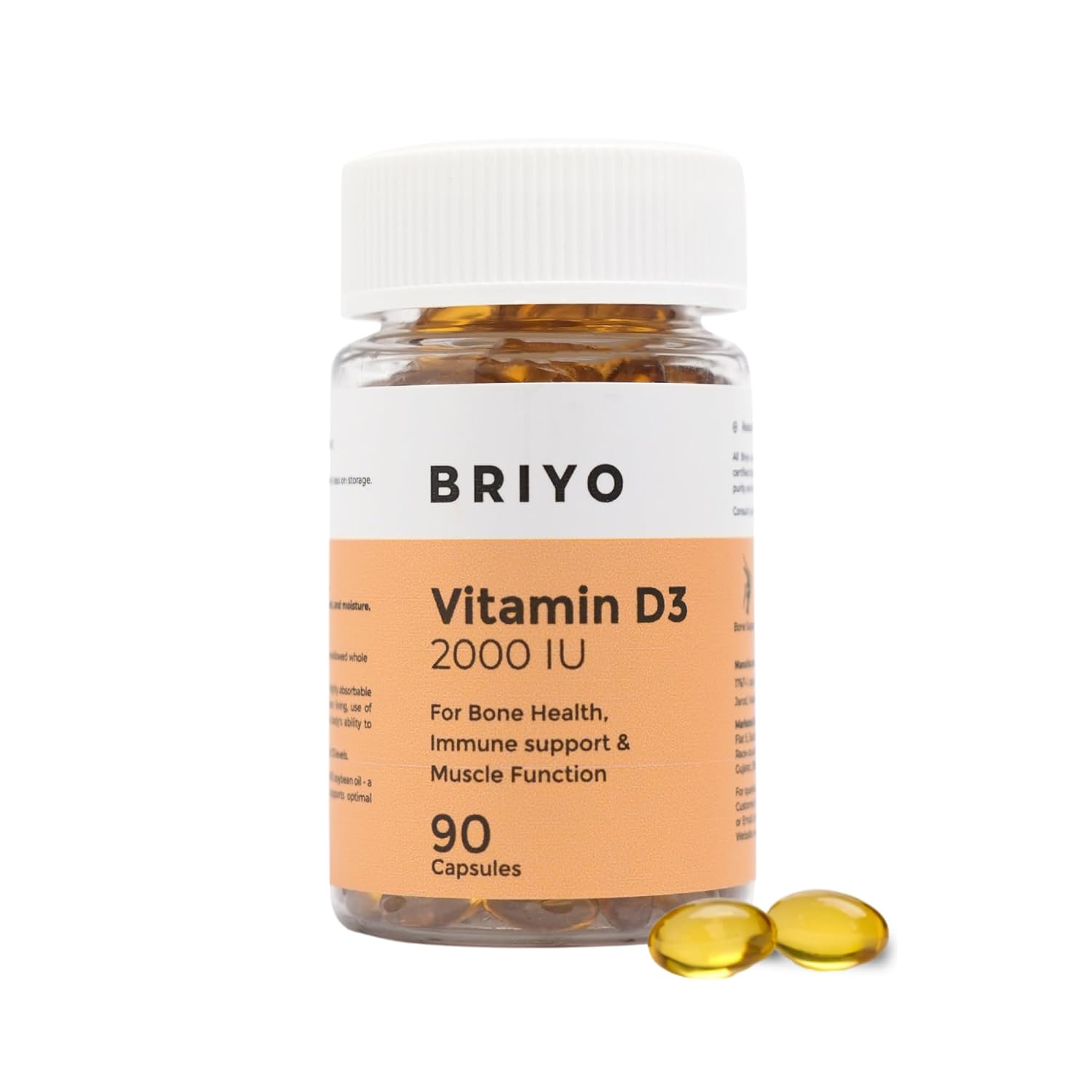
Briyosis Vitamin D3 2000 IU
Low-carb diets and extended fasting reduce absorption of fat-soluble vitamins, and D3 deficiency is epidemic in India despite strong sun. D3 is a hormone precursor that directly regulates testosterone production, immune response, and calcium metabolism — all of which deteriorate sharply after 60.
The Transformation Diet
Cut White Rice — Switch to Millets
This is the dietary change that drove the most visible results. White rice has a glycemic index of 72–83, causing rapid blood sugar spikes that drive fat storage and insulin resistance. Millets (foxtail, pearl, finger) have a GI of 50–54, are rich in magnesium and B vitamins, and provide resistant starch that feeds beneficial gut bacteria. This single swap can reduce post-meal glucose spikes by 30–40%.
Diet
Zero Sugar and Sweets
Refined sugar drives glycation — the process where sugar molecules attach to proteins and create advanced glycation end-products (AGEs) that accelerate cellular aging, stiffen arteries, and cloud lens proteins (contributing to cataracts). Eliminating sugar is one of the most potent anti-aging interventions available, with no pharmacological equivalent.
Diet
Protein at Every Meal
After 55, muscle protein synthesis becomes progressively less efficient — a condition called anabolic resistance. The body requires more dietary protein to achieve the same muscle-building signal as a younger person. Target 1.6–2.0g of protein per kg of body weight per day, with protein anchoring every meal, to preserve lean muscle mass during caloric deficit and active weight loss.
Diet
Millet Variety Pack (Foxtail, Pearl, Finger)
Having a multi-millet variety on hand makes the rice-to-millet switch practical. Foxtail millet is the easiest rice substitute; finger millet (ragi) is the highest in calcium; pearl millet the most protein-dense. Rotating them covers a full spectrum of nutrients.
Whey Protein Isolate
Whey isolate has the highest leucine content of any protein source — and leucine is the specific amino acid that triggers muscle protein synthesis. During active weight loss, hitting protein targets from whole food alone is difficult; a post-workout shake bridges the gap and prevents the muscle loss that derails most transformations after 55.
Swimming & Recovery
Swimming 30–40 Minutes Daily
Swimming is the ideal cardio for someone over 60 carrying significant weight: the buoyancy eliminates joint stress while the resistance of water means every stroke recruits full-body muscle activation. Studies consistently show swimming improves VO2 max, reduces blood pressure, and lowers triglycerides at rates comparable to running — without the orthopedic wear. For joint longevity during a major weight-loss phase, it is the optimal choice.
Exercise
Joint Mobility Work Post-Session
Active recovery — hip circles, shoulder CARs, ankle rotations — maintains the range of motion that passive stretching cannot. Post-swim mobility work capitalises on the warmth and increased blood flow to drive synovial fluid into the joint capsule, reducing stiffness and protecting cartilage. Five minutes done consistently prevents the cumulative joint degradation that forces most active people off exercise in their 60s.
Exercise
Omega-3 Fish Oil 1000mg (EPA + DHA)
At therapeutic doses (2–3g EPA+DHA daily), omega-3s demonstrably reduce serum triglycerides by 15–30%, lower systemic inflammation via resolution of inflammatory cascades, and reduce post-exercise muscle soreness through prostaglandin modulation. The joint lubrication benefit is real and measurable — especially important when swimming daily at 65.
Glucosamine + Chondroitin Sulfate
Cartilage has no blood supply — it receives nutrients only through compression and decompression during movement. Glucosamine is the building block the body uses to synthesise proteoglycans (cartilage matrix proteins), while chondroitin inhibits the enzymes that break down existing cartilage. Clinical trials show the combination reduces knee pain scores significantly in active adults over 60. This is the joint preservation stack for someone who swims daily.
Longevity Stack
Ayurvedic Herbs and Adaptogens
Traditional Ayurvedic herbs like ashwagandha, triphala, and guduchi have been validated in modern clinical trials for their adaptogenic effects — specifically the modulation of the HPA (hypothalamic-pituitary-adrenal) axis. In men over 60, high cortisol from chronic stress directly suppresses testosterone and growth hormone. Adaptogens blunt this cortisol excess, which is a legitimate mechanism for preserving lean mass and metabolic health.
Supplement
Regular Health Checkups
A transformation this dramatic requires monitoring — HbA1c, fasting insulin, lipid panel, testosterone, and thyroid panel every 6 months. Data-driven adjustments to diet and supplementation prevent the metabolic plateaus that stall most long-term protocols. What gets measured gets managed.
Free
Ashwagandha KSM-66 (600mg)
KSM-66 is the most studied ashwagandha extract, with 12 RCTs showing it reduces serum cortisol by 14–28% and raises testosterone by 15–22% in stressed men over 40. At 65 during intensive dietary change and daily exercise, cortisol management is non-negotiable — excess cortisol directly drives belly fat reaccumulation and muscle catabolism even in a caloric deficit.
CoQ10 (Ubiquinone) 100mg
Coenzyme Q10 is the electron carrier in the mitochondrial respiratory chain — it is literally required for cellular energy production. Endogenous CoQ10 peaks at age 25 and falls roughly 40% by age 65. Low CoQ10 manifests as fatigue, exercise intolerance, and cardiac inefficiency. Supplementation at 100–300mg daily consistently improves exercise capacity and reduces oxidative stress markers in older adults.