
TL;DR
- OMAD (one meal a day) on weekdays; 48–72 hour water fasts on weekends
- Ice bath every single morning — 3 minutes at ~3°C, no exceptions
- 2 hours of Vipassana-style meditation daily, split morning and evening
- Infrared sauna in the evenings for recovery and heat shock protein activation
- No caffeine, no alcohol — cold exposure replaces both as the alertness driver
The Fasting Practice
OMAD on weekdays — one meal, no snacking
Dorsey eats one meal per day on weekdays, typically in the evening — salmon and mixed vegetables is his reported staple. The fasting window runs roughly 23 hours. At this duration, autophagy (cellular self-cleaning) is measurably elevated, insulin sensitivity improves, and ketone production provides a stable alternative fuel source for the brain that many describe as cognitively cleaner than glucose-fuelled states.
Free
48–72 hour water fasts on weekends
Dorsey fasts entirely on weekends — water only from Friday evening through Sunday. At 48+ hours, autophagy peaks, stem cell regeneration increases, and IGF-1 (a growth factor associated with accelerated aging) drops significantly. This is an extreme intervention with real risks; electrolyte loss (sodium, potassium, magnesium) is the primary physiological challenge during multi-day fasts.
Free
Continuous glucose monitor to track metabolic response
Dorsey uses a CGM (Levels Health) to test exactly how his blood glucose responds to specific foods and meal timings. The data routinely surprises people — foods assumed to be safe cause large glucose spikes in some individuals; foods assumed harmful are neutral in others. This kind of personalised metabolic feedback removes guesswork from dietary decisions.
Device
Electrolyte Powder (No Sugar — Sodium, Potassium, Magnesium)
Essential during extended fasting windows — sodium, potassium, and magnesium are lost through urine at an accelerated rate when insulin is low and the kidneys are excreting more electrolytes. Without replenishment, headaches, muscle cramps, and fatigue make long fasts almost impossible to sustain. This is not optional during 48+ hour fasts.
Ketone Testing Strips (Urine)
Confirms ketosis during fasting windows — the presence of ketones in urine (acetoacetate) indicates the liver has switched from glucose to fat metabolism. Dorsey tracks this as a proxy for fasting depth. Blood ketone meters are more accurate; urine strips are sufficient for daily practice and cost a fraction of the price.
Cold + Heat Therapy
Ice bath every morning — 3 minutes at ~3°C
Dorsey's most-discussed habit. Cold water immersion at this temperature triggers a norepinephrine release of approximately 300% above baseline — a profound alertness and mood driver that peaks within minutes and persists for hours. It also activates cold shock proteins (RBM3) involved in synaptic repair, and provides a consistent mental resilience practice. He does this before anything else in the morning.
Free
Infrared sauna 20 minutes in the evening
Heat exposure activates heat shock proteins (HSP70, HSP90) that act as molecular chaperones — refolding misfolded proteins before they can aggregate. Repeated sauna use is associated in epidemiological data with a 40% reduction in all-cause cardiovascular mortality at 4+ sessions per week. Dorsey uses infrared rather than traditional sauna; the mechanisms are similar, the hardware is more accessible.
Free
Contrast therapy — alternating cold and heat
The physiological benefit of alternating cold and heat is primarily vascular — cold vasoconstricts, heat vasodilates, and the alternation acts as a pump for the lymphatic system and peripheral circulation. Dorsey uses hot-cold alternation as part of his recovery protocol, particularly after exercise. The parasympathetic rebound after cold immersion is also a reliable mood stabiliser.
Free
Portable Cold Plunge Tub (Inflatable)
A full-body cold plunge produces a far more complete physiological response than a cold shower — total skin surface area exposure is what drives the norepinephrine spike. Inflatable versions sit in a bathroom or balcony, fill with water and ice, and cost a fraction of built-in cold plunge units. Ice from the freezer gets the temperature low enough within 20 minutes.
Infrared Sauna Blanket
Delivers the same heat shock protein and cardiovascular benefits as a full sauna cabin at a fraction of the cost and space. Lie inside for 30–45 minutes — core temperature rises to the threshold needed for HSP activation (38.5°C+). Dramatically more practical than a sauna room for home use, and the science on infrared vs. convective heat is largely equivalent for the relevant outcomes.
Meditation & Mindset
2 hours of Vipassana meditation daily — 1 hour morning, 1 hour evening
Dorsey has done multiple 10-day silent Vipassana retreats and structures his daily practice around the same technique — body scanning, breath observation, non-reactive awareness. At 2 hours per day this is an extreme commitment, but even 20 minutes of daily mindfulness practice has demonstrated structural changes in the prefrontal cortex within 8 weeks. Dorsey credits the practice with his capacity for high-stakes decision-making under pressure.
Free
Annual 10-day silent retreat
Dorsey does a 10-day Vipassana silence retreat (no talking, no screens, no reading) once a year. The immersive format produces changes in default mode network activity and amygdala reactivity that persist for months afterward. He describes the retreat as the single most important thing he does for his mental clarity. Goenka-tradition centres offer this free of charge worldwide.
Free
Zafu Meditation Cushion (Buckwheat Fill)
For sustained sitting practice — 30+ minutes on the floor demands correct pelvis tilt to keep the spine upright without muscular effort. A zafu elevates the hips above the knees, rotating the pelvis forward and allowing the lumbar curve to hold naturally. Buckwheat fill compresses to the exact shape of your sit bones. The difference between a zafu and the floor is the difference between a sustainable practice and one abandoned in two weeks.
Ashwagandha KSM-66 (600mg)
KSM-66 ashwagandha is the most clinically studied adaptogen for cortisol regulation and HRV improvement — both directly relevant to sustained meditation practice. Chronic cortisol elevation is the primary barrier to the parasympathetic states meditation targets. Multiple RCTs show 15–30% reduction in serum cortisol within 8 weeks; the combination with daily meditation practice produces compounding effects.
Core Supplements
Minimalist supplement stack — food and lifestyle first
Unlike Bryan Johnson's 30+ compound stack, Dorsey takes a deliberately minimalist approach to supplementation — he prefers to use lifestyle interventions (fasting, cold, heat, meditation) as the primary levers and supplements to fill specific nutritional gaps. His stack is shorter but each compound is well-chosen. The three below are the highest-evidence choices given his OMAD diet and San Francisco latitude.
Supplement
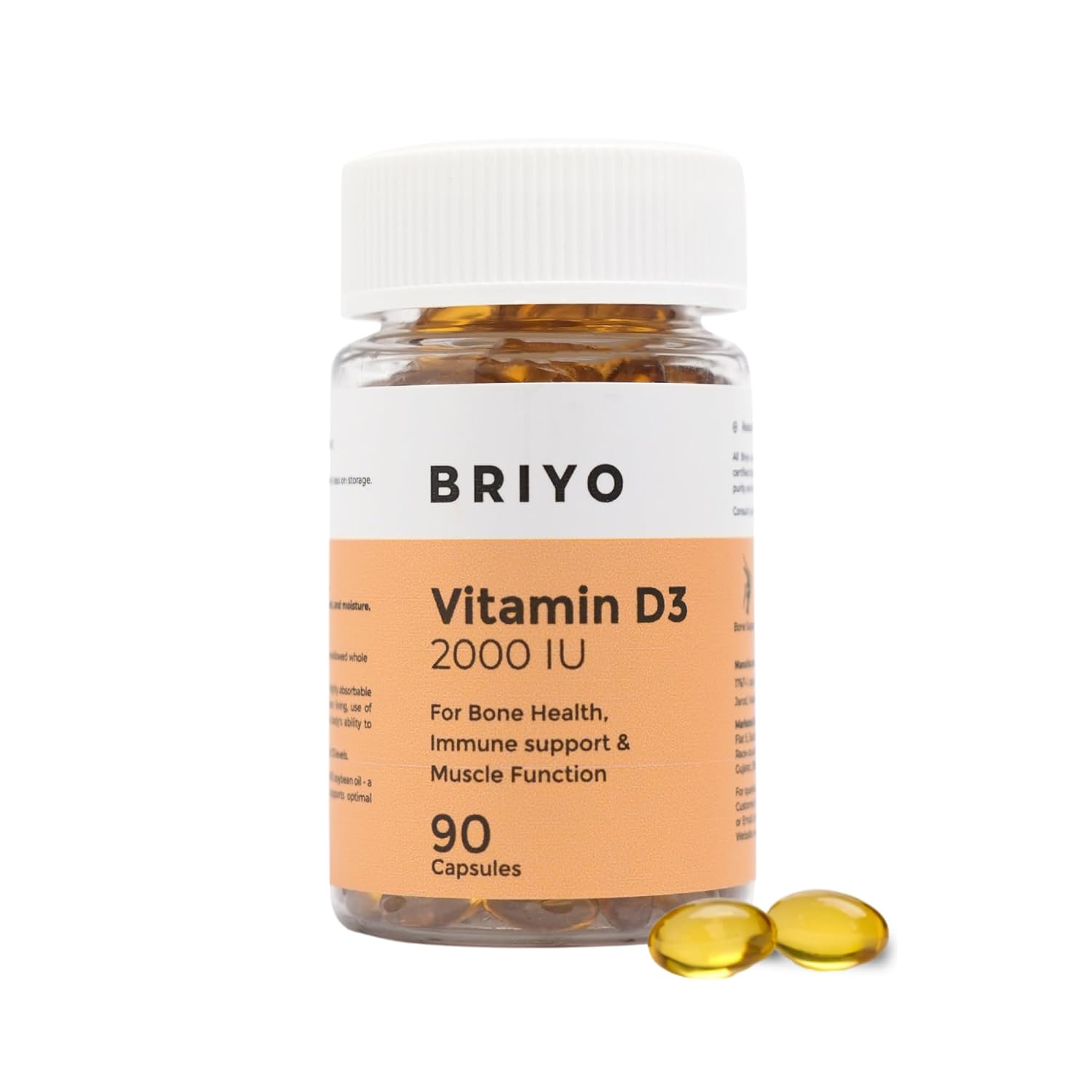
Briyosis Vitamin D3 2000 IU
Despite living in San Francisco, Dorsey is likely deficient — indoor work, limited midday sun exposure, and SPF application all suppress synthesis. Vitamin D deficiency is near-universal in urban professionals regardless of geography. D3 (cholecalciferol) is the correct form — D2 has roughly half the potency at equivalent doses and raises serum levels less reliably.
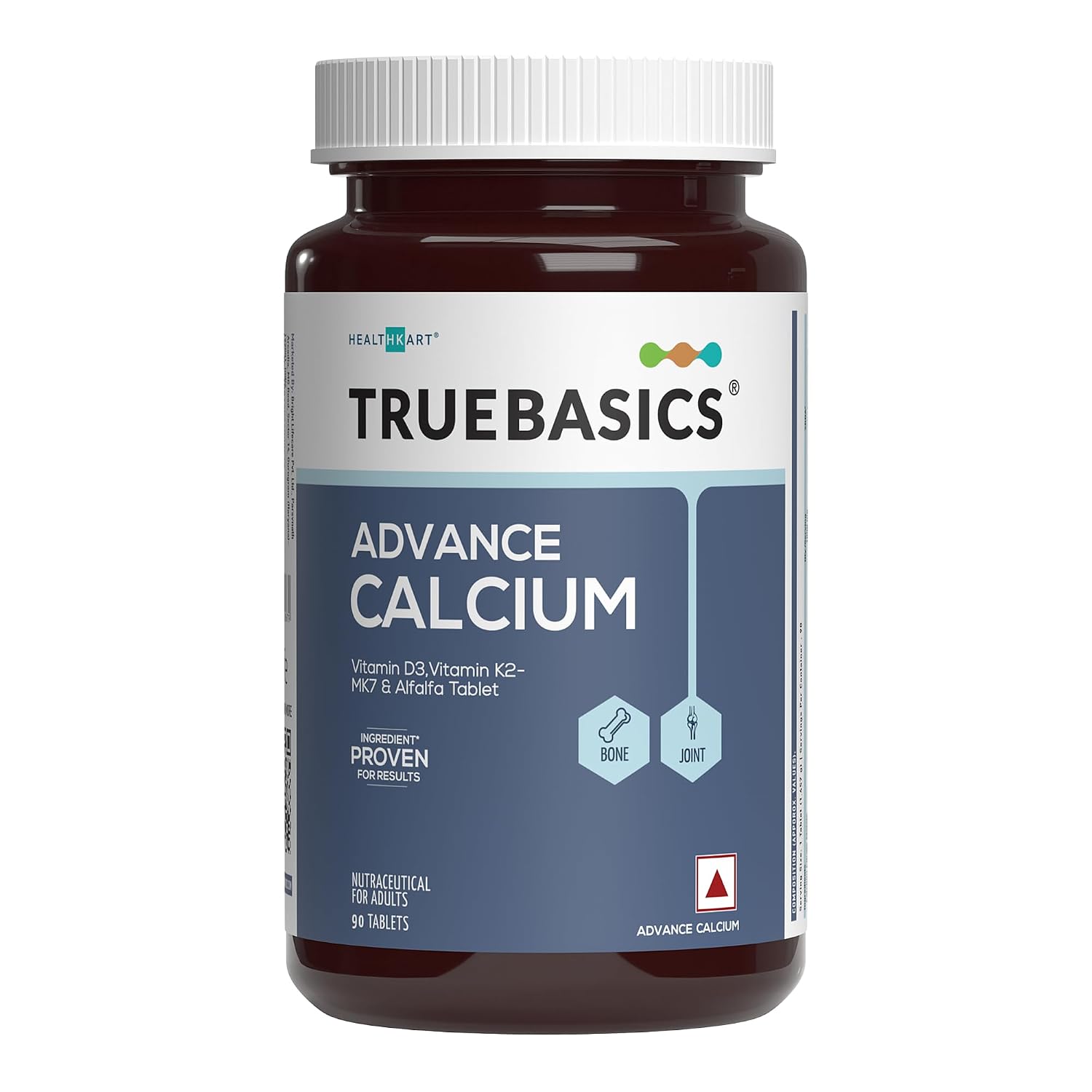
TrueBasics Magnesium Glycinate
Extended fasting depletes magnesium faster than normal eating — and Dorsey's OMAD protocol makes daily repletion essential. Glycinate is the form with the best evidence for sleep quality and muscle recovery. It also complements his meditation practice: magnesium activates the GABA pathway that meditation targets behaviourally, and the combination produces deeper parasympathetic states than either alone.
Omega-3 Fish Oil (1–2g EPA/DHA)
Dorsey's once-daily salmon meal partially covers his omega-3 needs, but the therapeutic range for anti-inflammatory and cognitive benefit is 1–2g of combined EPA/DHA — hard to hit reliably from one weekly serving. EPA is the anti-inflammatory isomer; DHA is the structural brain isomer. Dorsey's cognitive demands make DHA supplementation particularly relevant.
Light & Morning Routine
Outdoor sunlight within 60 minutes of waking — no sunglasses
Dorsey follows the same protocol as Andrew Huberman — outdoor light (not through a window, not through sunglasses) within the first hour of waking to set the circadian clock and trigger the cortisol morning pulse. Even overcast sky delivers 10,000+ lux, enough to anchor the circadian rhythm; indoor lighting rarely exceeds 400 lux. The absence of sunglasses is deliberate — UV wavelengths reaching the eye (not the skin) are the active signal.
Free
5-mile walk to the office
Dorsey walks 5 miles to work rather than driving or taking transport — roughly 90 minutes of Zone 1 low-intensity movement that doubles as his morning light exposure and bilateral stimulation practice. Walking has a well-documented anxiolytic effect distinct from higher-intensity exercise, and the bilateral, rhythmic nature of walking has been hypothesised to process emotional content similarly to EMDR.
Free
Cold exposure replaces caffeine for morning alertness
Dorsey stopped coffee entirely and uses cold immersion as the alertness driver — the 300% norepinephrine spike from a 3-minute ice bath produces a clarity and focus onset comparable to caffeine but without adenosine receptor antagonism, tolerance buildup, or the afternoon cortisol disruption that caffeine causes. The cold response is also faster — peak effect within 10 minutes versus 30–45 minutes for coffee.
Free
Blue Light Blocking Glasses
Worn post-sunset to protect the melatonin onset that Dorsey's early bedtime requires. Given his no-caffeine, no-alcohol, no-screens-late discipline, blue light management is the remaining variable. Clear lenses (not orange) block the relevant wavelengths while maintaining colour fidelity — important for anyone working on screens in the evening hours.
Continuous Glucose Monitor (CGM)
Dorsey uses a CGM to measure the blood glucose impact of every food choice — his OMAD meal typically causes a significant spike, and he adjusts composition (more fat, more fibre, different protein sources) to flatten the response. CGM data reveals postprandial patterns invisible to any lab test or symptom. In India, Abbott FreeStyle Libre is the most accessible prescription-free option.