
TL;DR
- Morning sunlight outdoors within 60 minutes of waking — his #1 non-negotiable, and it's free
- Delay caffeine 90–120 minutes after waking to avoid the afternoon energy crash
- End your morning shower with 1–3 minutes of cold water — norepinephrine spikes 200–300%, dopamine stays elevated for hours
- Three-supplement sleep stack: Magnesium Glycinate + Apigenin 50mg + L-Theanine 200mg taken 30–60 min before bed
- Zone 2 cardio 3x per week at conversational pace — the most evidence-backed longevity investment in exercise science
Morning Light Protocol
Outdoors within 60 minutes of waking — no sunglasses
Even overcast sky delivers 10,000+ lux; a well-lit indoor room delivers around 200 lux. This light signal travels a dedicated retinal pathway to the suprachiasmatic nucleus, setting your circadian clock for the day and determining the quality of tonight's sleep. Huberman calls this his single highest-leverage non-negotiable. Minimum 10 minutes on a clear day, 30 minutes when overcast.
Free
No caffeine for 90–120 minutes after waking
Adenosine — the sleepiness molecule — accumulates overnight and begins clearing in the first 60–90 minutes after you wake. Caffeine works by blocking adenosine receptors, not by clearing adenosine. If you caffeinate immediately on waking, adenosine piles up behind the blockade and hits you in the early afternoon the moment caffeine clears. Wait for natural adenosine clearance first.
Free
Delay first meal 60–90 minutes after waking
The fasting window extends insulin sensitivity established during overnight sleep. Breaking the fast too early blunts the natural cortisol and adrenaline morning pulse, which is the body's intended fuel source for the first waking hours. Not a strict rule — adjust around exercise and genuine hunger.
Free
Light Therapy Lamp — 10,000 lux
For monsoon season, winter, or when outdoor light is impossible before work
Delivers the same retinal photon dose as bright outdoor daylight. 20 minutes within the first hour of waking is enough to activate the same circadian pathway. A practical substitute on days you genuinely cannot get outside.
Cold Exposure
Cold shower — 1 to 3 minutes at the end of your morning shower
Turn the water as cold as it goes for the final 1–3 minutes. Deliberate cold exposure triggers a norepinephrine increase of 200–300% and a dopamine spike of roughly 250% — and both stay elevated for several hours, unlike the brief spike from caffeine or sugar. The psychological challenge of choosing to be uncomfortable is also the point: Huberman frames this as training the mind to override the body's protest.
Free
Do not cold-expose within 4 hours of bedtime
Cold exposure is a strong stimulus that raises core body temperature rebound and activates the sympathetic nervous system. Doing it too close to sleep interferes with the parasympathetic wind-down you need for quality sleep onset. Morning or midday is optimal.
Free
Portable Cold Plunge / Ice Bath Tub
For a dedicated cold plunge practice beyond the shower
A full cold immersion (up to neck) at 10–15°C produces a larger norepinephrine response than a cold shower. The added benefit is full-body vasoconstriction and the recovery effects on muscle inflammation after resistance training. Entry-level inflatable options make this accessible at home.
The Sleep Stack
Dark, cool room — no screens for 1 hour before bed
Light exposure after sunset, especially blue-white overhead light, delays melatonin onset by 60–90 minutes. A cool sleeping environment (18–20°C) is one of the most replicated predictors of sleep quality in the literature. Dim, warm-toned light after 9pm shifts the nervous system toward parasympathetic mode.
Free
NSDR (Non-Sleep Deep Rest) — 10 to 20 minutes midday
A yoga nidra protocol done after waking or post-lunch. Unlike a nap, NSDR doesn't impair nighttime sleep quality. Huberman reports it restores dopamine levels in the basal ganglia and reduces the sleep pressure that builds from a poor previous night. The Huberman Lab podcast links to free 10-min NSDR tracks on YouTube.
Free
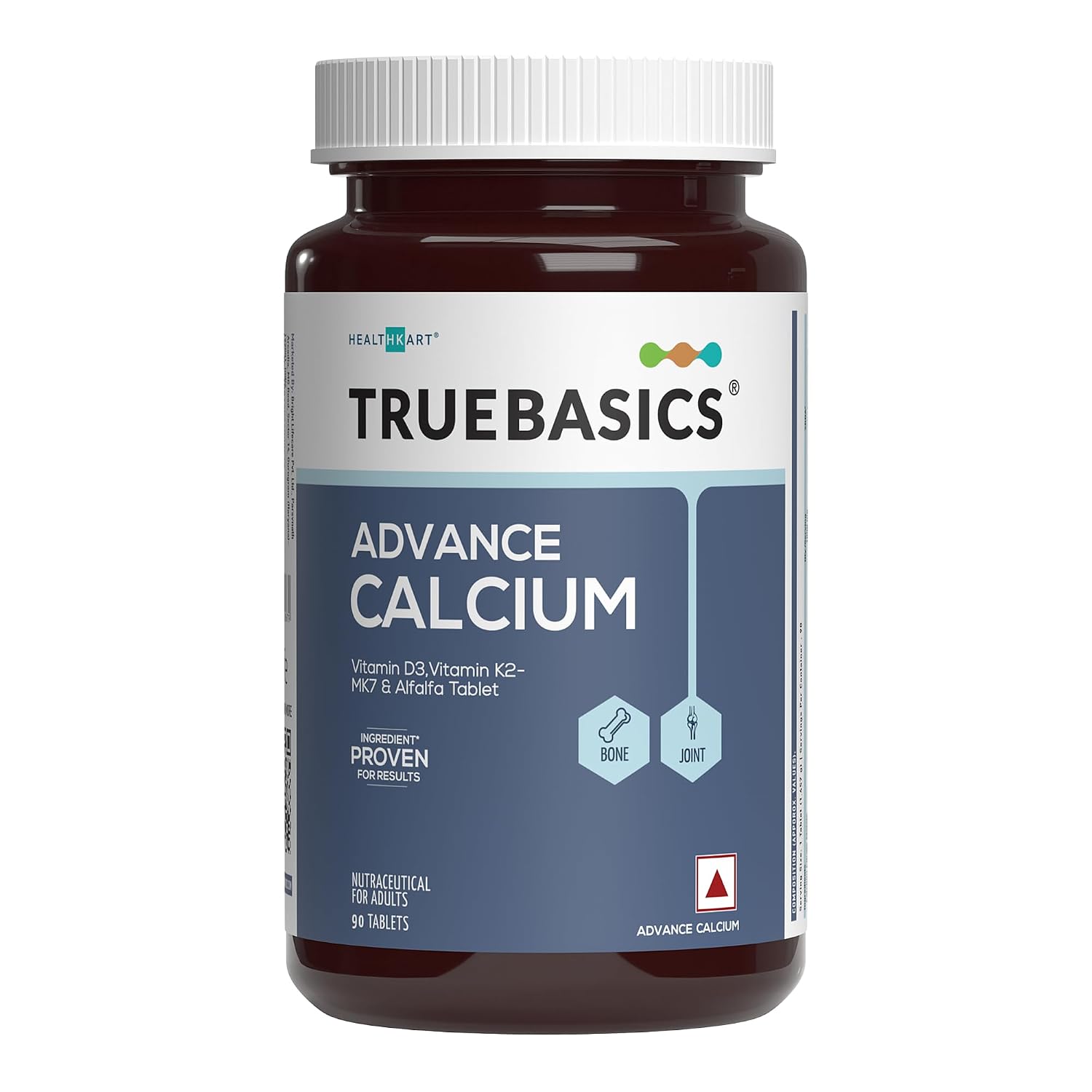
TrueBasics Magnesium Glycinate
Huberman recommends Magnesium L-Threonate for brain penetration, but the Glycinate form is the right call in India — better availability and strong evidence for sleep onset, nighttime waking, and anxiety reduction. Take 200–400mg 30 minutes before bed. Pillar one of his three-supplement sleep stack.
Apigenin 50mg
Pillar two of Huberman's sleep stack — chamomile-derived flavonoid
Apigenin binds GABA-A receptors and acts as a mild aromatase inhibitor, blunting the cortisol that delays sleep. Huberman takes 50mg 30–60 minutes before bed. Distinct mechanism from L-Theanine, so the stack is additive, not redundant.
L-Theanine 200mg
Pillar three of his sleep stack — the amino acid from green tea
L-Theanine increases alpha wave activity in the brain — the neural signature of calm alertness. At 200mg pre-sleep it reduces time to sleep onset and decreases sleep fragmentation without causing grogginess the next morning. Also taken during the day with caffeine to smooth jitteriness.
Blue Light Blocking Glasses
The orange-tinted lens filters the 480nm wavelength that signals the suprachiasmatic nucleus to delay melatonin. Wearing these from sunset onward is the fastest environmental lever if you cannot change your room lighting. Practical for anyone with shared accommodation, late-night work, or screens after dark.
Zone 2 & Exercise
Zone 2 cardio — 3x per week, 45 to 60 minutes
Zone 2 is the intensity where you can hold a conversation but could not sing — roughly 60–70% of max heart rate. This zone specifically stimulates mitochondrial biogenesis, lactate clearance efficiency, and metabolic flexibility (fat oxidation). It is the most evidence-backed single exercise intervention for longevity, cardiovascular health, and metabolic health in the literature. Huberman prefers cycling or incline walking.
Free
Resistance training — 3x per week, compound lifts
Heavy compound movements (squat, hinge, press, pull) with progressive overload. Muscle mass is independently predictive of longevity, fall resistance, insulin sensitivity, and resting metabolic rate. Huberman does not separate arm days — he loads movement patterns. Never skip the heavy session for a lighter alternative.
Free
80/20 training split — most volume at low intensity
80% of weekly training volume at low intensity (Zone 2 and below), 20% at high intensity. This ratio is consistent across the training methodologies of endurance athletes and is what the evidence supports for long-term adaptation without accumulated fatigue and injury. Most people invert this ratio and train too hard too often.
Free
Heart Rate Monitor (chest strap or wrist)
Essential for accurate Zone 2 training — feel alone is unreliable
Zone 2 is defined by heart rate, not perceived effort. Most people dramatically overestimate their Zone 2 intensity. A chest strap (Polar H10) gives ±1bpm accuracy; a wrist monitor is close enough for training purposes. Without it you are guessing.
Resistance Bands Set (heavy + medium + light)
For travel, home training, and warm-up activation sets
A full set covers compound activation, mobility work, and low-load accessory training. Does not replace a barbell for progressive overload but removes every excuse for skipping a session while travelling or working from home.
Core Supplement Stack
NMN 500mg
NAD+ precursor — Huberman takes this daily for cellular energy and aging
NAD+ is a coenzyme required for DNA repair, mitochondrial function, and sirtuin activation. Levels drop roughly 50% between ages 40 and 60. NMN is one of two main precursors (alongside NR) that raise NAD+ in human tissue. Huberman takes 500mg in the morning. Synergistic with resveratrol.
Omega-3 Fish Oil — high dose (2g EPA/DHA)
The most replicated supplement in cardiovascular and brain health research
EPA reduces systemic inflammation via the same pathway as NSAIDs, without the gastrointestinal effects. DHA is a structural component of neuronal membranes. Huberman takes ~2g EPA/DHA daily. Most fish oil capsules contain 300mg combined — check the label, not the "fish oil" total weight.
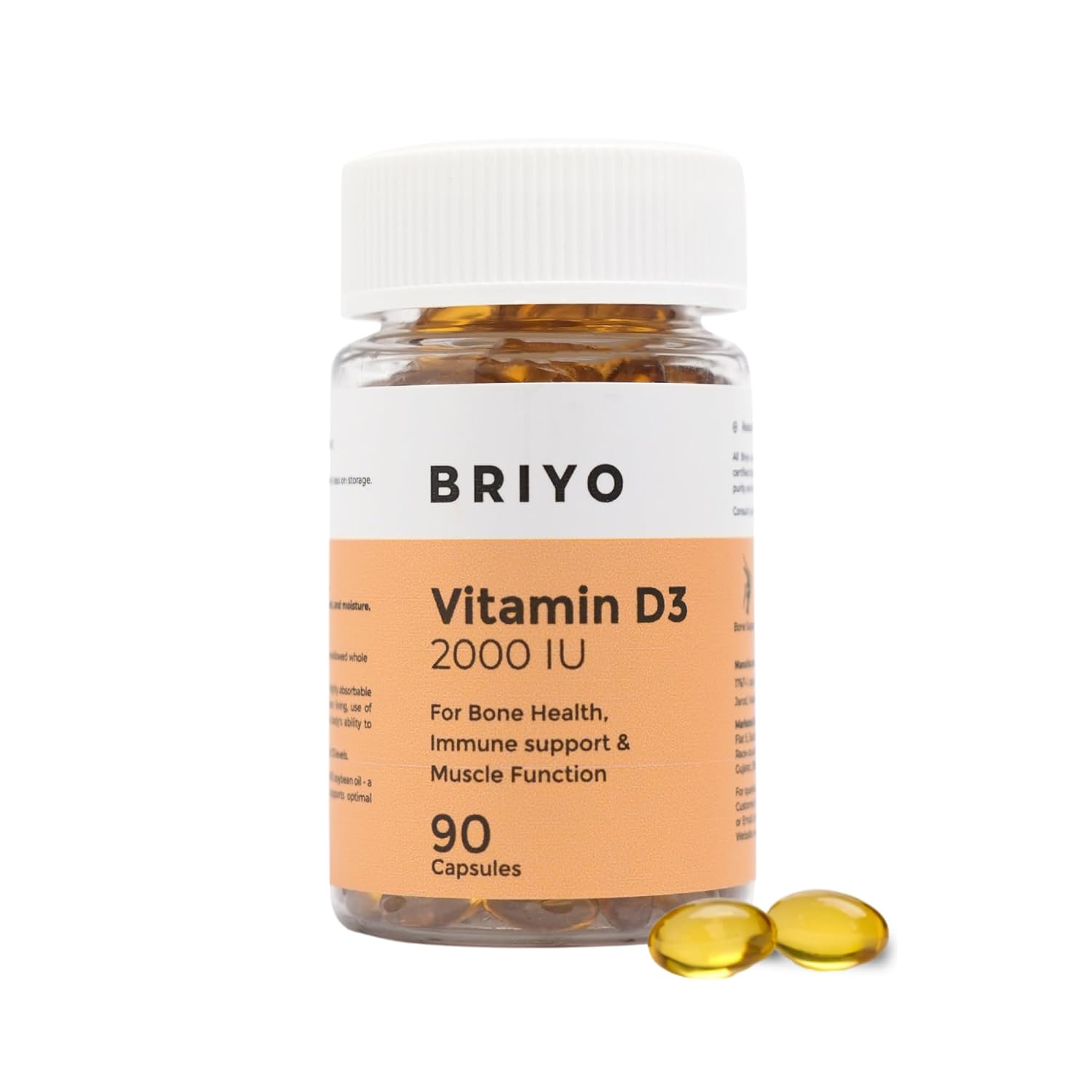
Vitamin D3 2000 IU — Briyosis
Huberman takes 5,000 IU daily; most Indians are deficient despite sun exposure due to skin tone, indoor work, and sunscreen. Even 2,000 IU meaningfully raises serum 25(OH)D in deficient individuals. Pair with K2 (MK-7) to direct calcium to bone rather than arteries. Get bloodwork to calibrate your dose.
Ashwagandha / Tongkat Ali
Huberman cycles Tongkat Ali (400mg) and Fadogia for testosterone support
Tongkat Ali acts on luteinizing hormone signalling to support endogenous testosterone production. Ashwagandha is the more accessible Indian equivalent — it reduces cortisol (which suppresses testosterone) and has its own modest testosterone-supporting effect in multiple RCTs. Better availability on Amazon.in than Fadogia or imported Tongkat Ali.